 Reviews



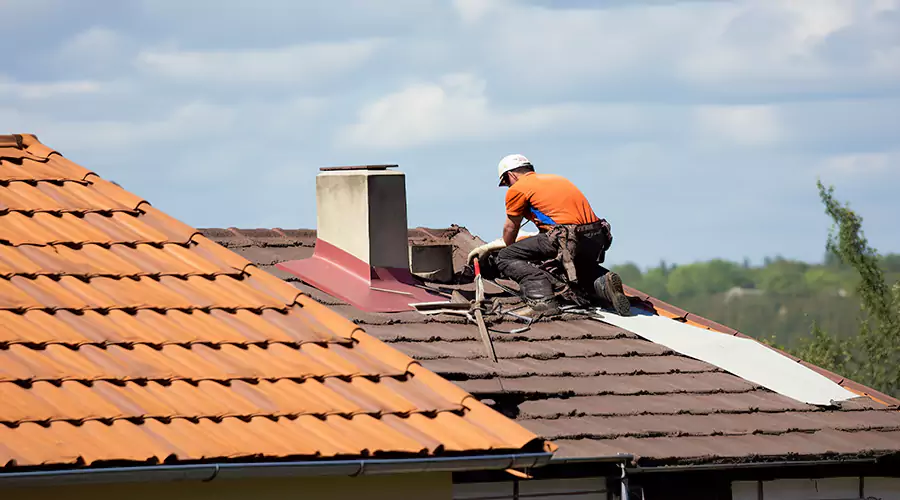
Roof flashing is one of the most important components of a roofing system, yet many homeowners are unfamiliar with its purpose. While shingles and roofing materials provide the main protective surface of a roof, proper roof maintenance also depends on flashing, which plays a critical role in preventing water from entering vulnerable areas. Without properly installed flashing, even a high quality roof can develop leaks and moisture damage over time.
Roof flashing is designed to direct water away from joints, seams, and roof penetrations where leaks are most likely to occur. It helps create a watertight barrier around areas such as chimneys, vents, skylights, valleys, and roof edges. Understanding how roof flashing works can help homeowners recognize roofing problems early and protect their property from costly water damage.
What Is Roof Flashing?
Roof flashing is a thin material, usually made of metal, installed around roof features and transition points to keep water from penetrating the roofing system.
Common flashing materials include:
- Aluminum
- Galvanized steel
- Copper
- Lead
- Stainless steel
Flashing is typically shaped and layered to guide rainwater away from areas where roofing materials meet vertical surfaces or openings.
Why Roof Flashing Matters?
Roof flashing is essential because certain roof areas are naturally more vulnerable to water intrusion than flat roofing surfaces.
Flashing helps:
- Prevent roof leaks
- Protect structural components
- Reduce moisture damage
- Extend roof lifespan
- Protect attic insulation
- Prevent mold growth
- Improve overall roof performance
Without flashing, water can seep beneath shingles and enter the home through cracks and gaps.
Areas Where Roof Flashing Is Commonly Installed
Roof flashing is installed in several important areas throughout a roofing system.
Chimney Flashing
Chimneys create openings in the roof that require specialized flashing to prevent leaks.
Chimney flashing often includes:
- Step flashing
- Counter flashing
- Base flashing
These components work together to direct water away from the chimney structure.
Valley Flashing
Roof valleys are areas where two roof slopes meet. These sections naturally collect large amounts of rainwater.
Valley flashing helps:
- Improve drainage
- Prevent pooling water
- Reduce leak risks
Vent Pipe Flashing
Roof vents and plumbing pipes require flashing around their base to prevent water from entering the roof.
Rubber boot flashing is commonly used for pipe penetrations.
Skylight Flashing
Skylights can become major leak sources if flashing is improperly installed or damaged.
Skylight flashing helps seal:
- Edges
- Corners
- Drainage channels
Drip Edge Flashing
Drip edge flashing is installed along roof edges to direct water into gutters and away from fascia boards.
Benefits of drip edge flashing include:
- Improved drainage
- Protection against wood rot
- Better gutter performance
Common Types of Roof Flashing
Several flashing styles are used depending on roof design and installation requirements.
Step Flashing
Step flashing consists of small metal pieces layered with shingles along walls and chimneys.
It helps channel water safely down the roof.
Continuous Flashing
Continuous flashing is a long single piece of metal installed where roofing materials meet vertical walls.
Counter Flashing
Counter flashing is installed over base flashing to provide additional water protection.
Valley Flashing
Valley flashing protects roof valleys where water flow is concentrated.
Kickout Flashing
Kickout flashing directs water away from walls and into gutters.
This type of flashing helps prevent siding damage and moisture buildup.
Signs of Damaged Roof Flashing
Damaged or deteriorating flashing can allow water to penetrate roofing materials and create serious problems.
Common Warning Signs
- Roof leaks near chimneys or vents
- Rusted flashing materials
- Loose flashing sections
- Cracked sealant
- Water stains on ceilings
- Mold or mildew odors
- Missing flashing pieces
- Visible gaps around roof penetrations
Homeowners should schedule a professional roof inspection if these signs appear.
What Causes Roof Flashing Damage?
Roof flashing can weaken over time due to weather exposure and aging.
Weather Conditions
Heavy rain, wind, hail, and snow can damage flashing materials or loosen installation points.
Corrosion
Metal flashing may rust or corrode over time, especially in areas with high moisture exposure.
Poor Installation
Improper flashing installation is one of the leading causes of roof leaks.
Common installation issues include:
- Incorrect layering
- Improper sealing
- Loose fasteners
- Wrong flashing type
Roof Movement
Natural expansion and contraction caused by temperature changes can stress flashing materials.
Aging Roofing Materials
Older roofing systems may experience flashing deterioration as surrounding materials weaken.
Roof Flashing Repair vs Replacement
Depending on the extent of damage, flashing may be repaired or fully replaced.
When Flashing Repair May Work?
Repair may be sufficient if:
- Damage is minor
- Sealant has cracked
- Small gaps are present
- Flashing remains structurally sound
When Flashing Replacement Is Necessary?
Replacement may be needed when:
- Flashing is severely rusted
- Multiple leaks exist
- Metal sections are bent or missing
- Roofing materials are being replaced
- Water damage has spread beneath roofing layers
Professional roofers can determine the best solution after a detailed inspection.
How Roof Flashing Protects Your Home?
Proper flashing installation helps protect multiple parts of a home.
Prevents Water Damage
Flashing keeps water from entering roofing joints and vulnerable openings.
Protects Structural Components
Water intrusion can weaken:
- Roof decking
- Rafters
- Walls
- Ceilings
- Insulation
Helps Prevent Mold Growth
Moisture trapped inside walls and attics can create ideal conditions for mold.
Extends Roof Lifespan
A properly sealed roofing system experiences less moisture related deterioration.
Importance of Professional Roof Flashing Installation
Roof flashing installation requires precision because even small mistakes can lead to leaks.
Professional roofing contractors understand:
- Proper flashing placement
- Roofing material compatibility
- Drainage design
- Waterproof sealing methods
- Building code requirements
Incorrect flashing installation may not show immediate problems but can eventually cause expensive structural repairs.
Tips for Maintaining Roof Flashing
Regular maintenance can help extend the life of flashing materials and reduce leak risks.
Helpful maintenance tips include:
- Schedule annual roof inspections
- Check flashing after storms
- Remove debris from roof valleys
- Clean gutters regularly
- Address small leaks quickly
- Replace damaged shingles promptly
Preventive maintenance helps identify flashing issues before major damage develops.
Final Thoughts
Roof flashing is a critical part of every roofing system because it protects vulnerable roof areas from water intrusion. Proper flashing installation helps prevent leaks, mold growth, structural damage, and expensive repairs. Although flashing is often hidden beneath shingles and roofing materials, it plays a major role in keeping a home dry and protected.
Homeowners who understand the importance of roof flashing can better recognize warning signs of damage and take action before leaks spread. Regular roof inspections and timely flashing repairs can help extend the life of a roofing system and improve long term